
The Hakomi Method Somatic Psychotherapy
My Journey as a Hakomi Method therapist in Dundrum, Dublin 14
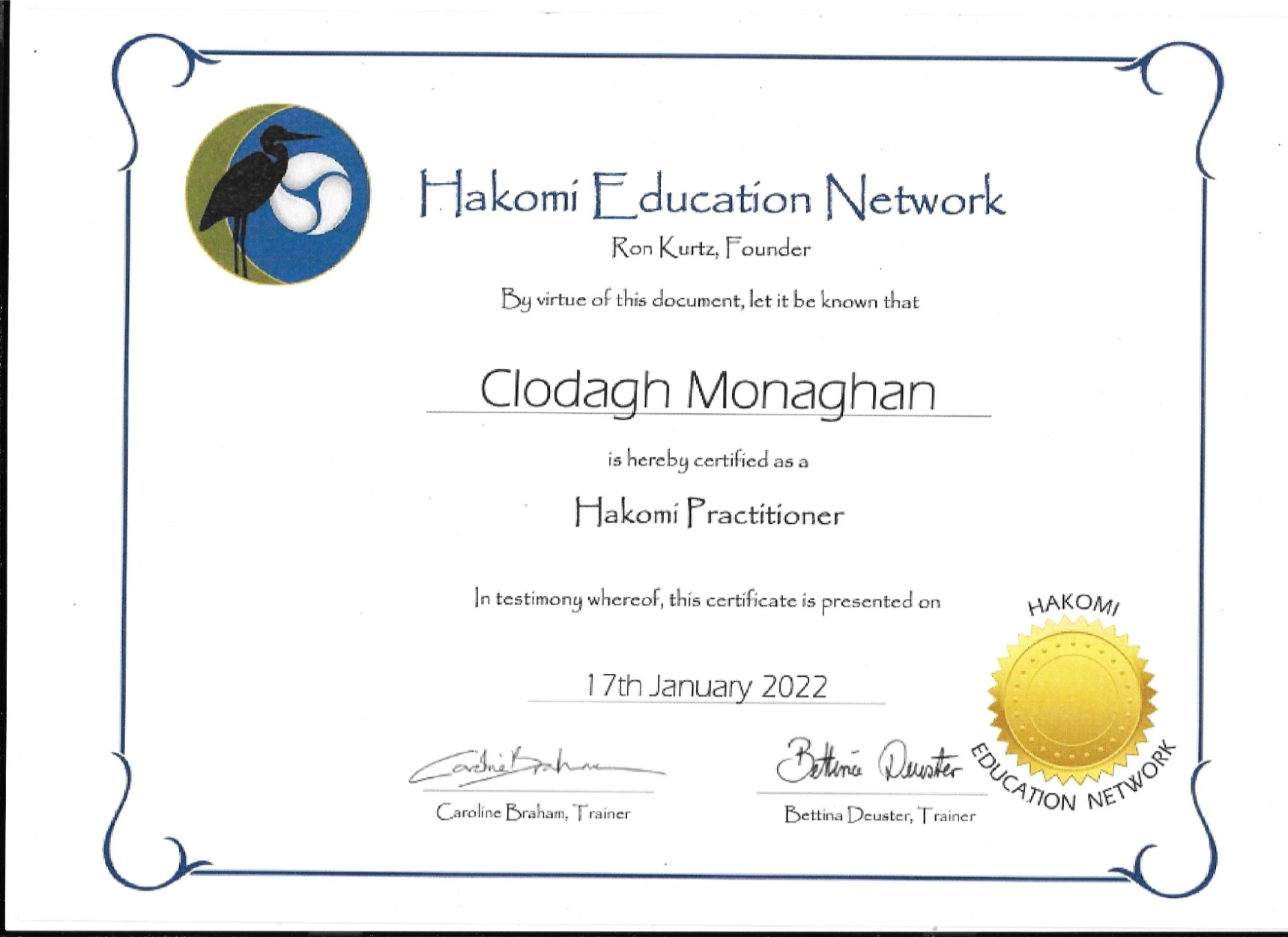
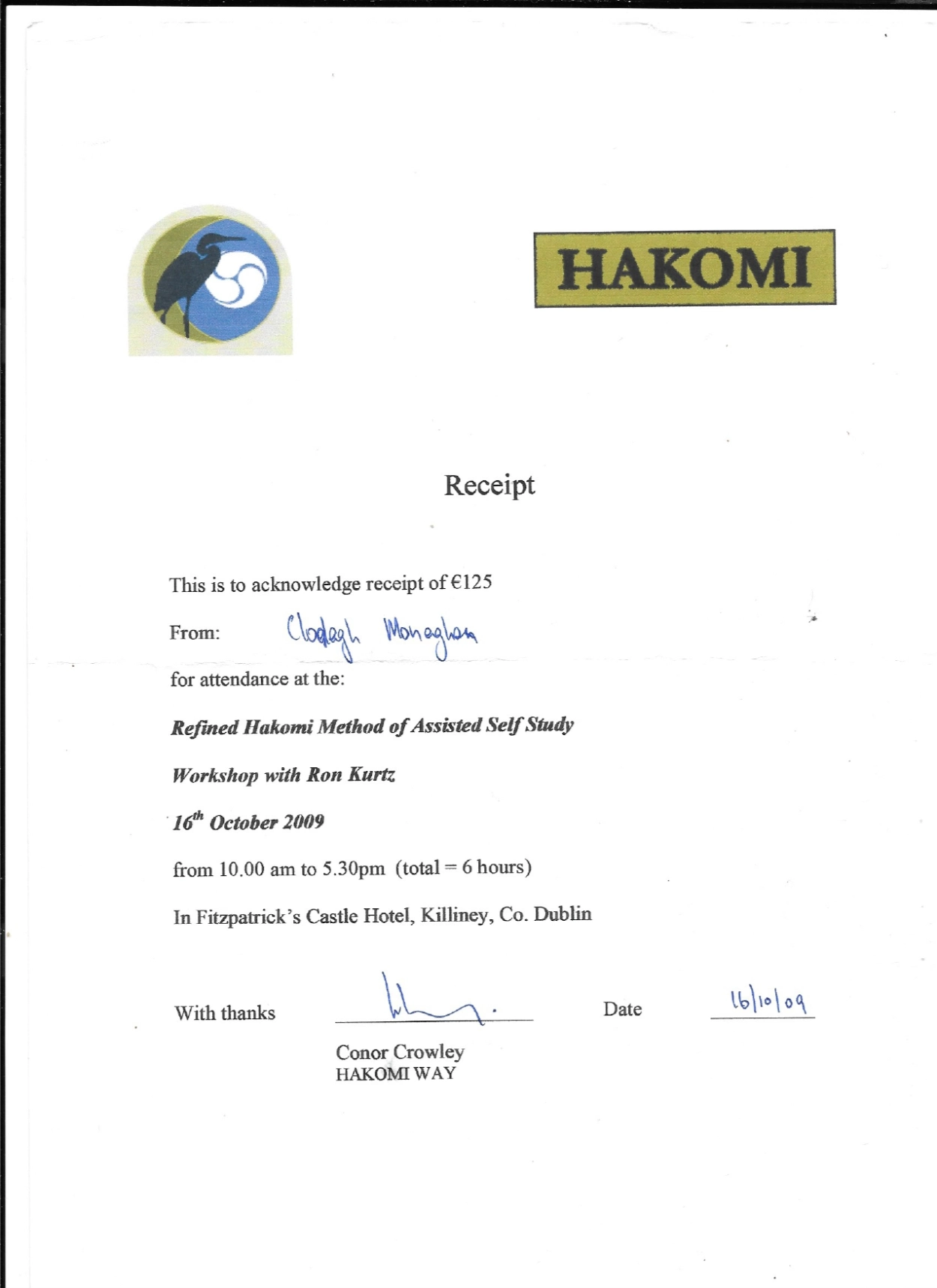
In 2009, I attended a Ron Kurtz workshop, the founder of The Hakomi Method, as part of my Continuous Professional Development commitment … In 2022 I qualified as a Certified Hakomi Practitioner.
Upon completion of my degree in 2007, I began my Psychotherapy Practice with vigour incorporating the various therapeutic approaches bestowed upon me in college …yet something was missing … emotions, behaviours, thoughts … but what about the body? “What is my client not saying verbally yet, their body language seems to be expressing their inner state?” From this point forward I became dedicated to paying attention and being curious about what are bodies are expressing.
I have trained extensively in this method for many years and continue to do so. During the pandemic I learnt how to adapt this method to the online platform.
The Hakomi Method
In order to manage past and present trauma, we push the hurt down. We send this hurt part in to exile in our sub-conscious, where it remains stuck and unhealed. Unfortunately, it shows up in our everyday lives causing unnecessary suffering, i.e. anxiety, relationship difficulties , self-esteem to name a few.
Our body language demonstrates hints of what lies beneath. To simplify this let me give you a simple example….an adult begins to shake, breathing increases, facial expression changes when a dog approaches ….the trauma of been bitten by a dog as a child has been remembered on some level and the body demonstrates that. This person carries the belief based on a past trauma that all dogs are dangerous and will bite.
As we go through our life’s things happen that cause us to form ideas about ourselves and the world around us. These ideas become our core beliefs, which we carry with us, and which influence how we act and the decisions we make. Many of these beliefs eventually become redundant or out of date yet continue to cause unnecessary suffering.
The Hakomi Method offers us more information about ourselves because it pays close attention to what you are saying non-verbally not just verbally
The Hakomi session - process, principles, and transformation
1. Creating a Compassionate Foundation
A supportive environment is provided by embodying a personal state called Loving Presence. This fosters a compassionate, deeply caring connection where you feel truly seen and supported.
2. Mindfulness and Somatic Awareness
Using Mindfulness—a gentle, quiet way to slow everything down—we notice what is happening in the present moment. Attention is paid to two key areas:
- Present-moment non-verbal experience: What your body is expressing right now.
- Non-verbal indicators: Subtle physical signs showing how you organize your internal experiences and habits.
3. Assisted Self-Study Through Experiments
By observing non-verbal cues, little experiments are created in mindfulness to evoke habitual beliefs and bring them into awareness. This process allows the unconscious to become conscious.
“…when we are conscious we have choice and choice brings freedom.”
— Donna Martin, Hakomi Legacy Holder
4. Emotional Healing and Neuroplasticity
When past emotional pain surface during a session, it is met with the emotional support that was missing during the original event.
Through neuroplasticity—the brain’s ability to adapt and rewire when stimulated—old pain dissolves, allowing a new, nourishing experience to be fully integrated.
5. The Four Characteristics of the Hakomi Method
- Loving Presence: Cultivated continuously by the therapist.
- Present-Moment Focus: Prioritizing real-time non-verbal signals.
- Mindful Experiments: Gently uncovering unconscious habits.
- Integration: Moving toward nourishing experiences previously unavailable to the client.
6. Transformation and Core Beliefs
“Core material can be examined, processed, and transformed. Transformation begins when awareness is turned mindfully toward felt, present experience; unconscious material unfolds into consciousness; barriers are attended to; and new experiences are integrated that allow for the reorganization of core beliefs. These, in turn, allow for a greater range of mental, physical, and emotional coherence and behavior.”
Why choose Hakomi Session in Dundrum with Clodagh Monaghan
I have been in practice for 19 years, working with clients across a wide range of concerns, with anxiety among the most common reasons people reach out. My training and experience include:
- BSc (Hons) in Counselling & Psychotherapy,2007
- Qualified Clinical Supervisor,2017
- Certified Hakomi Practitioner 2022
- QQI Level 6 Accredited Train the Trainer 2016
- Lecturer/Group Clinical Supervisor for student therapists
- Continuous Professional Development – Workshops and Trainings
This depth of training means that when you attend anxiety counselling with me, you’re working with someone who has spent years refining an approach that actually works — one that respects both the mind and the body’s role in anxiety.
You may recognise yourself here
Life feeling heavy
Sometimes life becomes overwhelming in ways that are hard to name. You might feel low, exhausted, or as though you’re carrying something too heavy to hold alone.
Relationships & connection
Our relationships with others — and with ourselves — shape so much of how we feel. Difficulties here can leave us feeling lost, hurt, or deeply alone.
Difficult experiences
Painful or traumatic experiences — whether recent or long ago — can leave a lasting mark on how we feel and how we move through the world. This work is held gently and at your pace.
Sense of self
Questions about who you are, what you want, or why you keep repeating patterns that don’t serve you. This work can be quietly transformative.
I offer a free initial phone consultation — no pressure, no commitment.